Make Transport Accessible
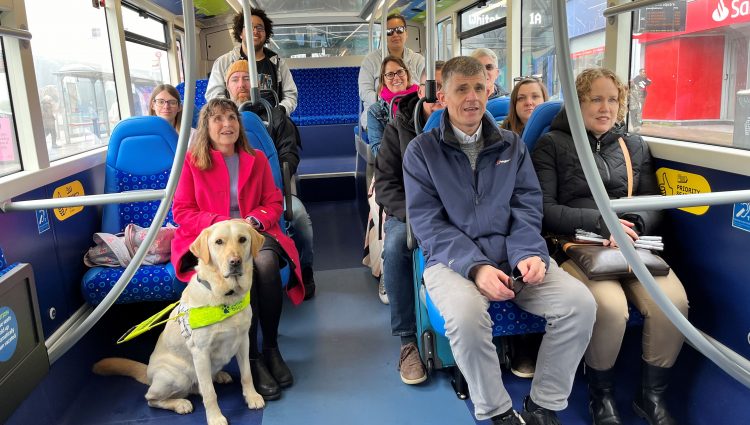
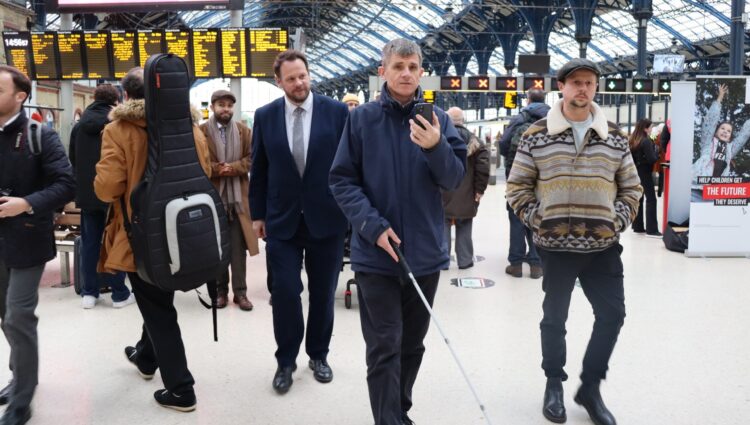
Accessible transport is essential for blind and partially sighted people to travel independently, safely and confidently. Yet barriers across transport networks continue to limit access to work, education, healthcare, leisure activities, and social connections.
Under the Equality Act 2010, transport providers have a responsibility to make their services accessible to disabled passengers. Despite this, accessibility across public transport networks remains inadequate, preventing many blind and partially sighted people from travelling independently and with confidence.
Our Make Transport Accessible campaign aims to change this.
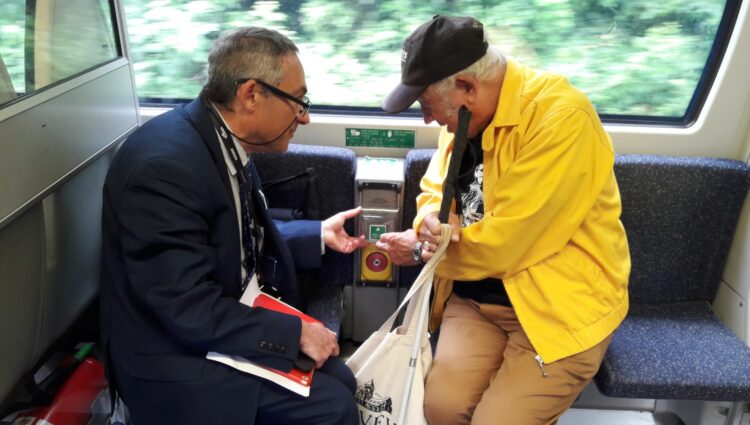
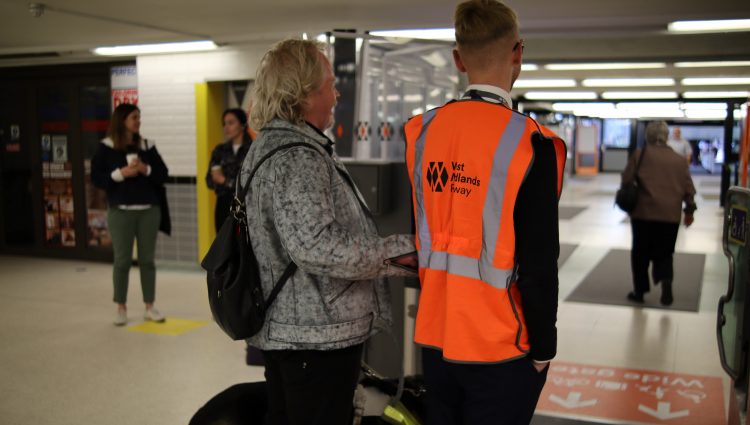
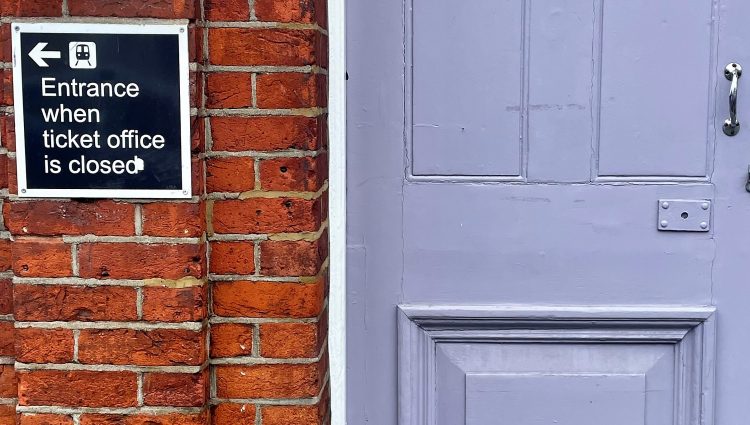
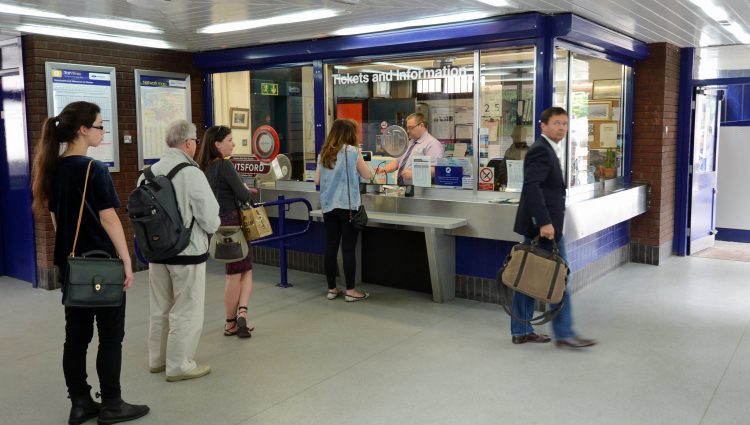
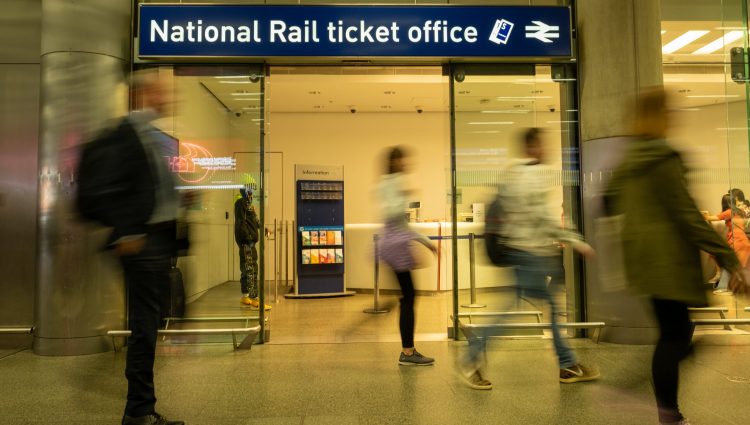
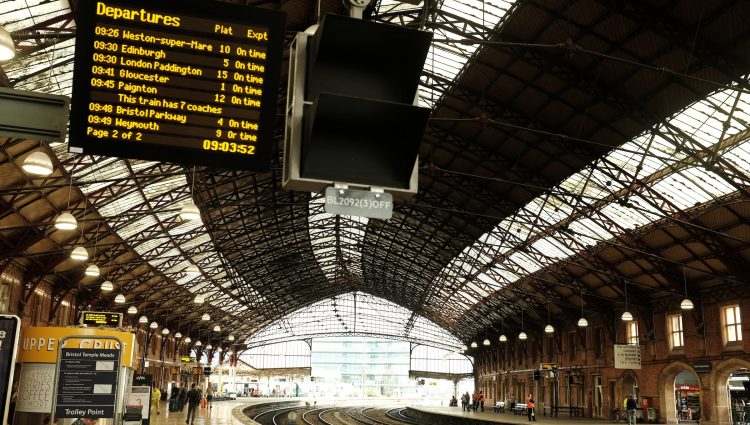
For many blind and partially sighted people, inaccessible transport can affect every aspect of daily life. Difficulties identifying the correct service, a lack of audio or visual information, inaccessible ticketing systems, unclear signage, street clutter around transport hubs, and a lack of awareness among transport staff can all make journeys more challenging. In some cases, these barriers can discourage people from travelling altogether, reducing independence and increasing social isolation.
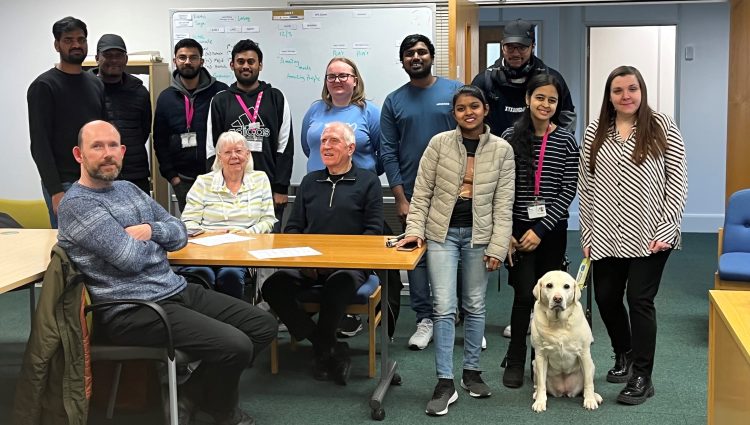
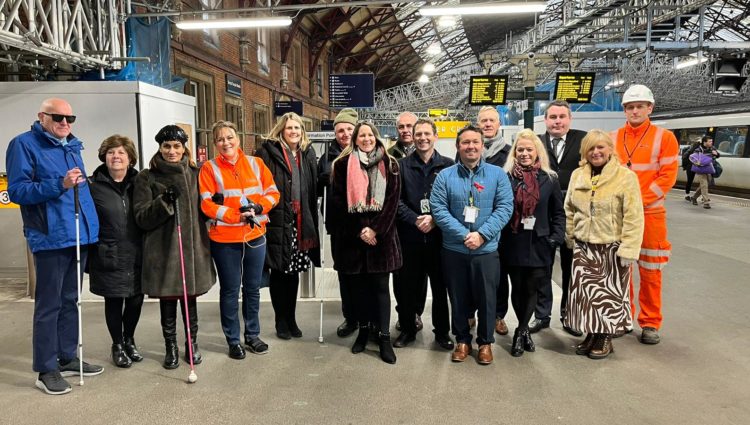
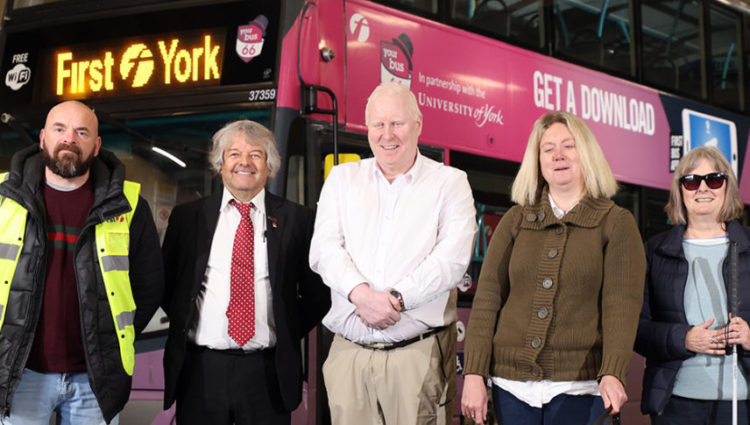
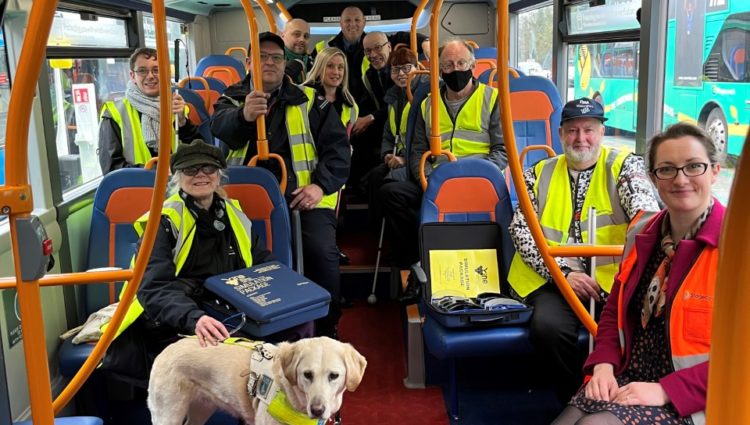
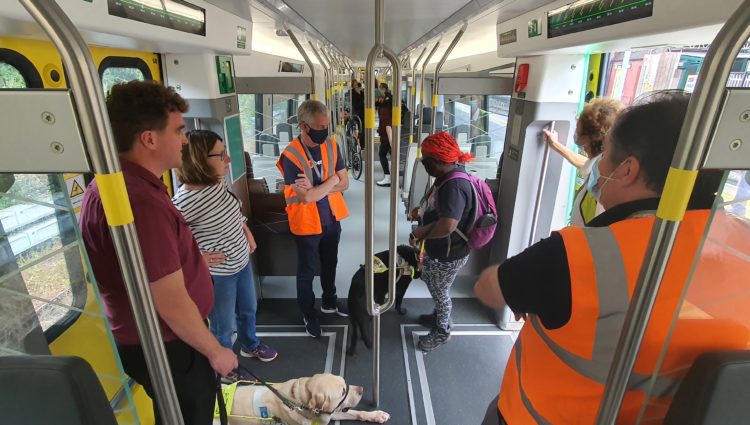
Sight Loss Councils work with transport operators, local authorities, and industry partners to improve accessibility across the UK. Using lived experience, our volunteers help identify barriers, influence change, and develop practical solutions that make journeys more accessible.
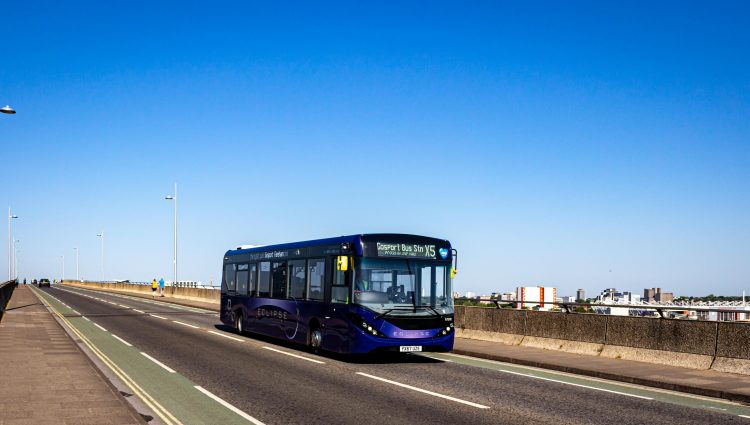
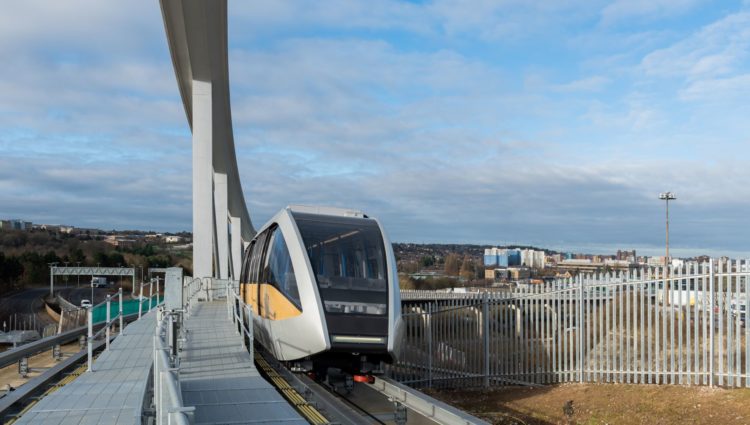
Our work focuses primarily on rail and bus travel, while also supporting improvements to taxis, transport apps, airports and other transport services. We also support Thomas Pocklington Trust’s national campaigning and policy work to help create lasting change.