“I’m not blind, I just have the wrong kind of vision”
February is Retinitis Pigmentosa Awareness Month. This month, we’re highlighting the experiences and perspectives of people living with Retinitis Pigmentosa (RP) to show that the condition isn’t one story – it’s many.
RP is a group of inherited eye conditions, known as retinal dystrophies. These conditions cause a gradual loss of vision, usually starting with night blindness and loss of peripheral (side) vision, and in some cases eventually affecting central, colour, and reading vision. Symptoms often appear in childhood or early adulthood. Because RP is progressive, a person’s sight loss typically worsens over time.
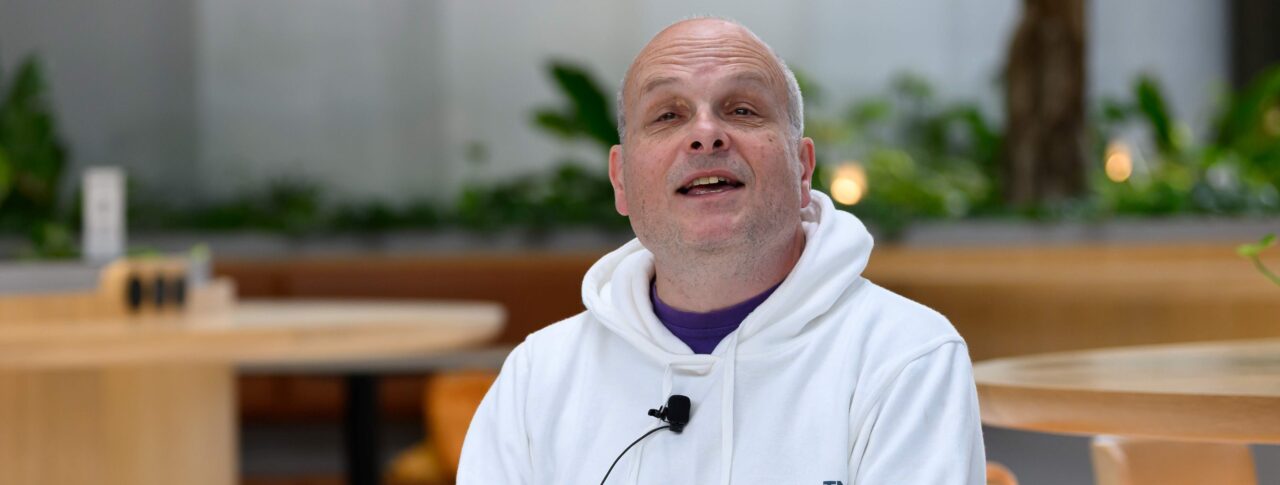
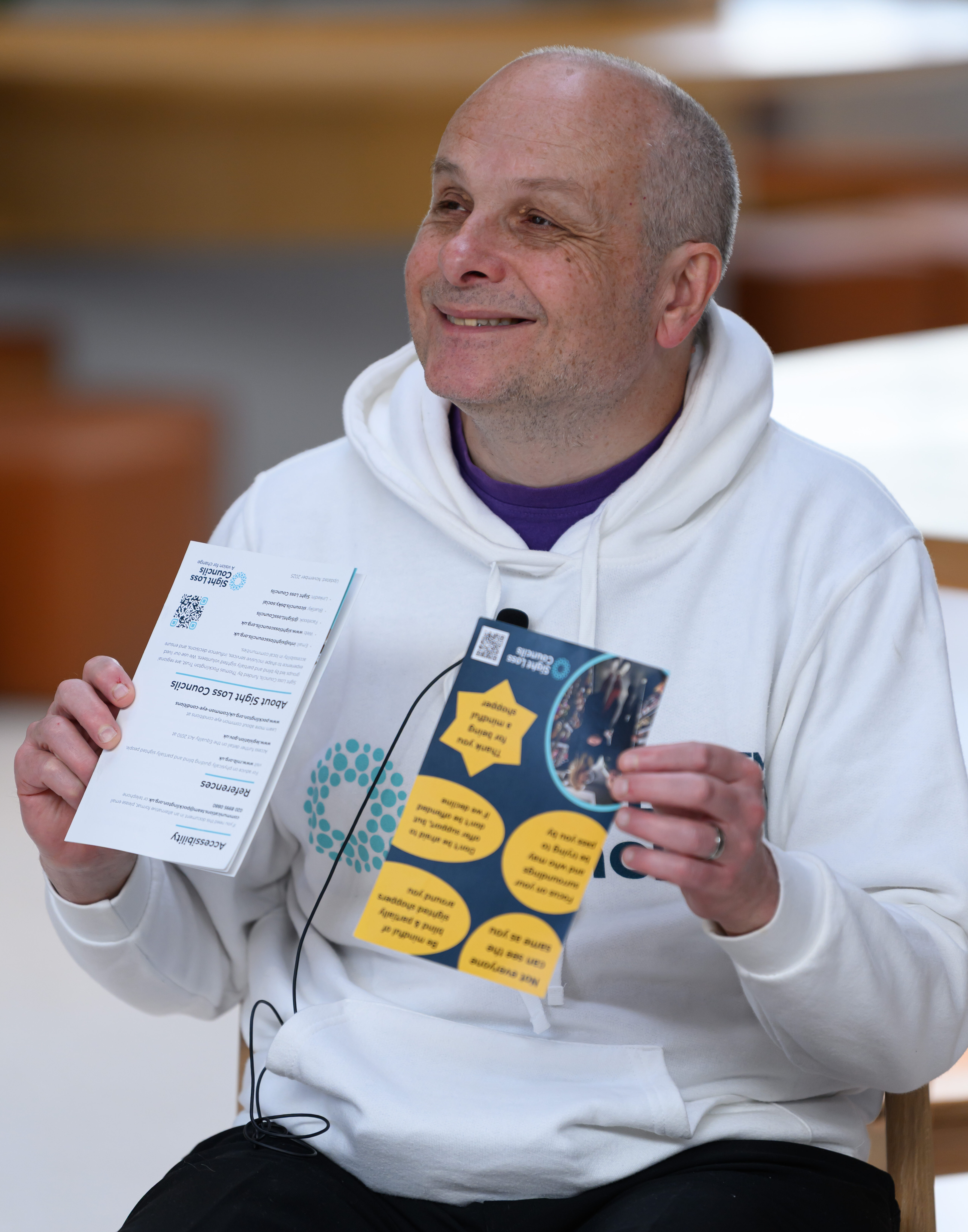
In this article, Liam O’Carroll, Interim Engagement Manager for London Sight Loss Councils, reflects on his journey, identity, and creativity as someone living with RP.
 I’m not blind, I just have the wrong kind of vision…
“Would I have come out with a line like that if I had been sighted? Blindness gives you something to write about, a thousand anecdotes and scenarios, often humorous and nearly always interesting. It is hard to say whether my creative instincts were gifted to me by my visual impairment or if they would have emerged anyway, had I always been sighted.
The best way to address this is to speculate on what it would be like if RP were cured. Would my creativity change or even disappear with the acquisition of full vision? I would bet that the main components would remain but that there would inevitably be some alteration or development after some time spent living as a sighted person.
And that brings me to the question of identity. Over time, I have most definitely become a blind person, not just medically but socially, politically and completely. While it is not the only thing that defines me, it is nevertheless a huge component of what makes me. If I think back to my childhood and early adulthood, this was not the case. Age 22, I was still correcting people who referred to me as blind, insisting that I was partially sighted thank you very much and making them feel guilty.
A few years earlier, this was correct. People would see my cane and draw the wrong conclusion. But in time, as my sight deteriorated and I crossed the ophthalmological Rubicon, the assumptions of the public were borne out and I was the one who was off the mark, not ready to embrace the new reality.
I was a person who was blind but not a blind person. But I grew ready, there was no choice of course. Time made me. Having accepted the situation, life grew easier, just as employing the long cane makes life easier.”
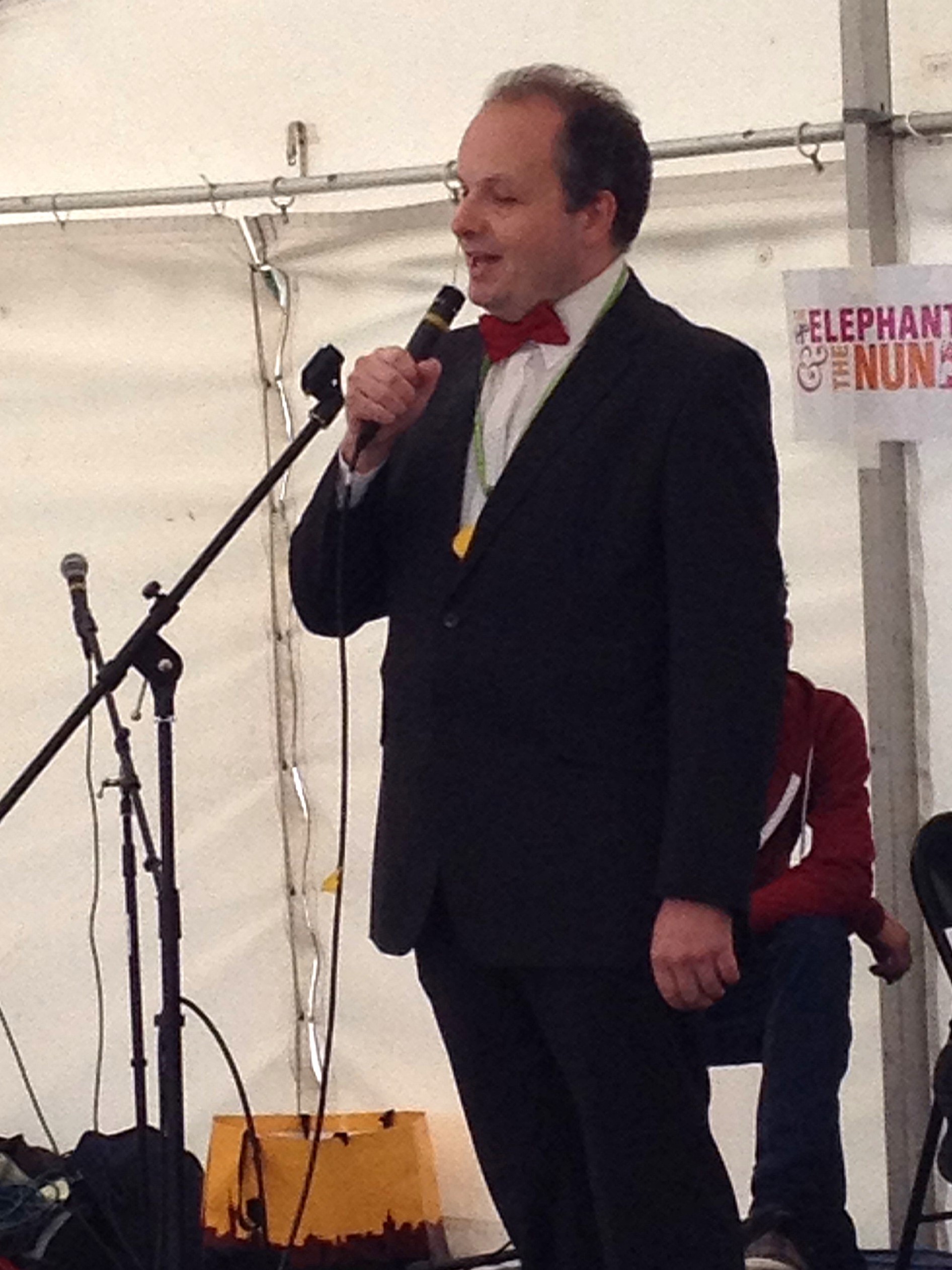
Liam talking on stage into a microphone
How RP shaped my creativity and sense of self
“Although I was registered blind aged 11, I was a long way from being actually blind – this point was reached about ten years later.
I have always been a performer and have enjoyed some great experiences working as an actor. However, I have found that I feel most fulfilled when working independently, writing and presenting my own material.
Perhaps this is because, in mostly sighted companies, it is harder to negotiate access challenges and integrate into a sight-dominated culture. Working on my own, however, allows my access needs to take precedence. This may be why I moved away from acting and more into writing: a solitary situation is more comfortable.”
Navigating independence with RP
“I feel more independent since becoming blind than I did when partially sighted. The public rarely recognises partial sight, but the long cane helps the world notice and explain my difference to others – even if they don’t fully understand it.”
What people often get wrong about blindness
“People often assume that when you lose your sight, your other senses automatically become sharper. This has not been my experience.
Are there lots of blind sommeliers or sound technicians? I’ve never found my taste or smell to be particularly remarkable, and as for hearing, it is hard to judge – especially in situations that compromise it, such as a pub playing loud music.
Admittedly, I suspect that at least one sense improves, and for me, that sense would be touch.
My experience, of course, is only one version of blindness and the particular way RP has unfolded for me. RP isn’t one story, and each person’s way of navigating the world with it is different.
Sharing these stories matters because understanding the variety of experiences helps challenge assumptions, highlight the realities of living with RP, and inspire others navigating similar challenges.”
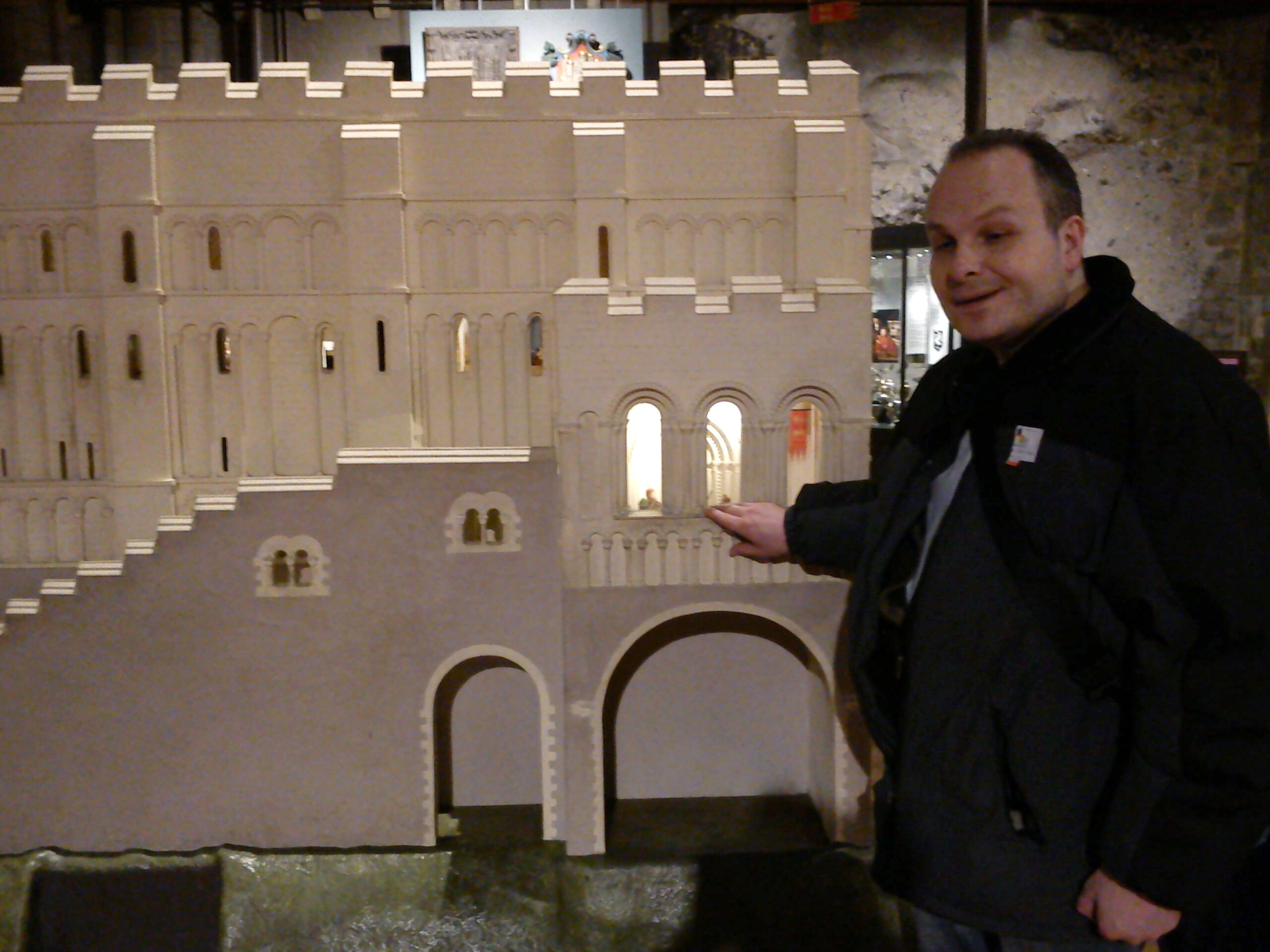
Liam with a large-scale model of Norwich Castle
Useful links
If you or someone you know has been diagnosed with Retinitis Pigmentosa, the following links provide further information.
- Retina UK – Retinitis Pigmentosa
- Fight for Sight – What is retinitis pigmentosa?
- RNIB – Inherited retinal dystrophies including retinitis pigmentosa
- Thomas Pocklington Trust’s ‘What do we see?’ video
- Thomas Pocklington Trust’s ‘Eyecare and You’ webinar on Retinal Dystrophies
Stay in the know
Want to get involved in our national campaigns? Stay up to date with news from Sight Loss Councils and Thomas Pocklington Trust by signing up to our mailing list.
Publication date: 06 February 2026