Free CIHT learn course on inclusive design shaped by lived experience of blind and partially sighted people
The Chartered Institution of Highways & Transportation (CIHT) is pleased to announce that its online course, Designing Highways and Transportation for Blind and Partially Sighted People, developed with Thomas Pocklington Trust (TPT) and shaped by the experiences of Sight Loss Council volunteers, is now free of charge to professionals across the highways, transportation and built environment sectors.
The course draws on the lived experiences of blind and partially sighted TPT staff and its Sight Loss Council volunteers to help professionals design more accessible streets, public spaces and transport infrastructure. Through practical guidance, real-world examples and expert insight, learners gain the knowledge needed to create safer and more inclusive environments.
Accessibility and inclusive design are becoming increasingly important considerations in transport planning and highway design. However, many practitioners have had limited opportunity to develop specialist knowledge in this area.
By making a course informed by lived experience available to all, CIHT and TPT hope to encourage uptake and support better outcomes for blind and partially sighted people across the UK.
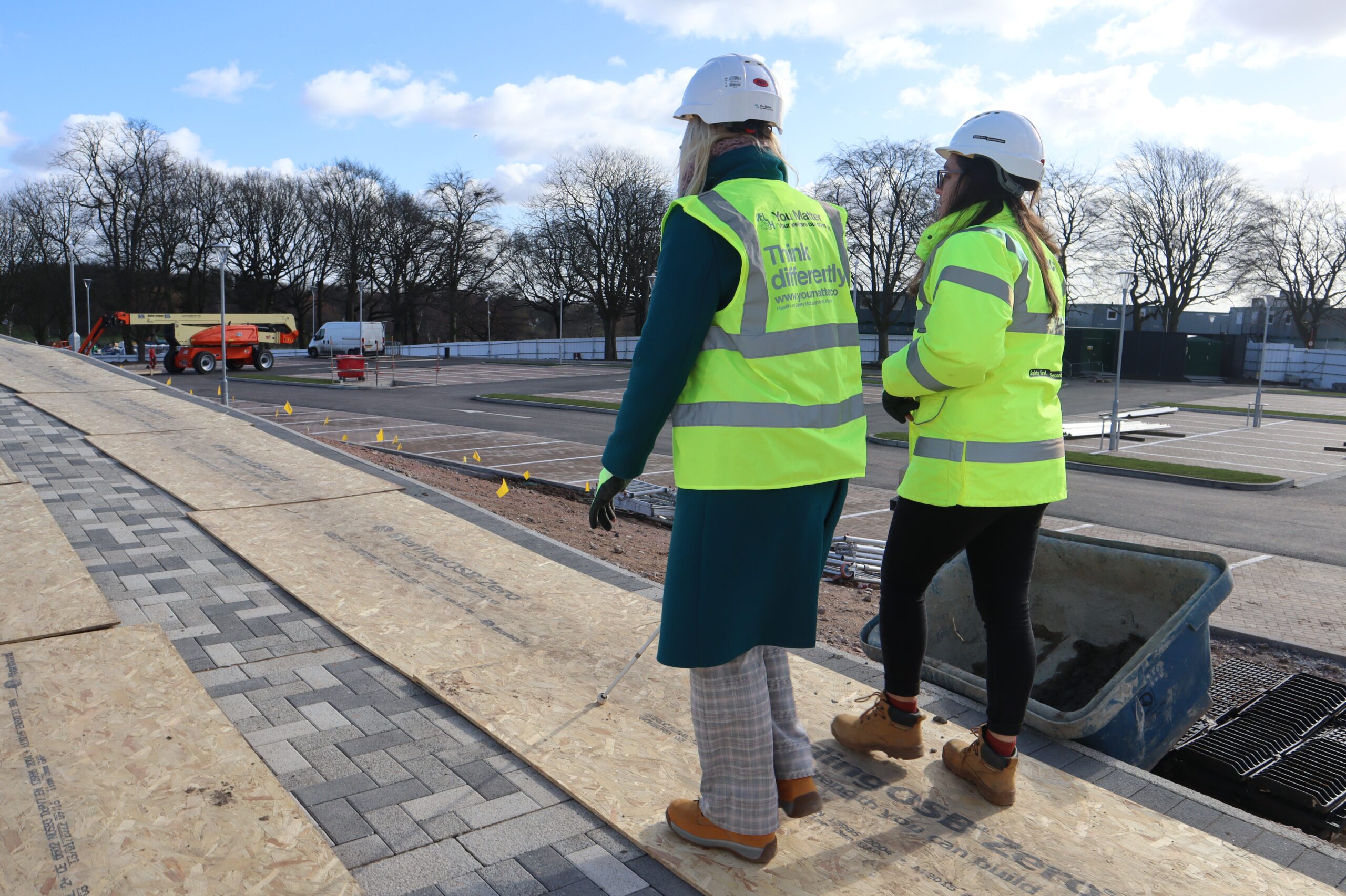
Senior Engagement Manager, Louise Connop, shares accessibility insights with staff at the grounds of the IBSA Games in Birmingham.
Supporting more inclusive transport and public spaces
Charles Colquhoun, Chief Executive Officer at Thomas Pocklington Trust, said:
“When streets and transport systems are designed without considering the needs of blind and partially sighted people, they can create barriers that have a real impact on people’s independence and everyday lives.
“In response to this, we have helped shape this training through the lived experience of our staff and Sight Loss Council volunteers to reflect the real-world experiences of blind and partially sighted people. We have also helped make it freely available to all practitioners.”
“We want professionals across the country to have access to the knowledge in this course and, crucially, to put it into practice. By reaching the people who design and deliver our streets, public spaces and transport networks, we have an opportunity to create lasting change and make independent travel a reality for more blind and partially sighted people.”
Cat Goumal, CIHT Director of Education, Learning and Training, said:
“We are delighted that our partnership with Thomas Pocklington Trust has enabled this course to be made freely available to all.
“TPT’s expertise and the contributions of blind and partially sighted people have been invaluable in shaping the training, ensuring it is grounded in lived experience and addresses the challenges people encounter in their everyday journeys.
“Designing streets, public spaces and transport systems that work for blind and partially sighted people is fundamental to creating inclusive environments. By removing the cost barrier, we hope to support more professionals in developing the knowledge and confidence to embed inclusive design in their work.”
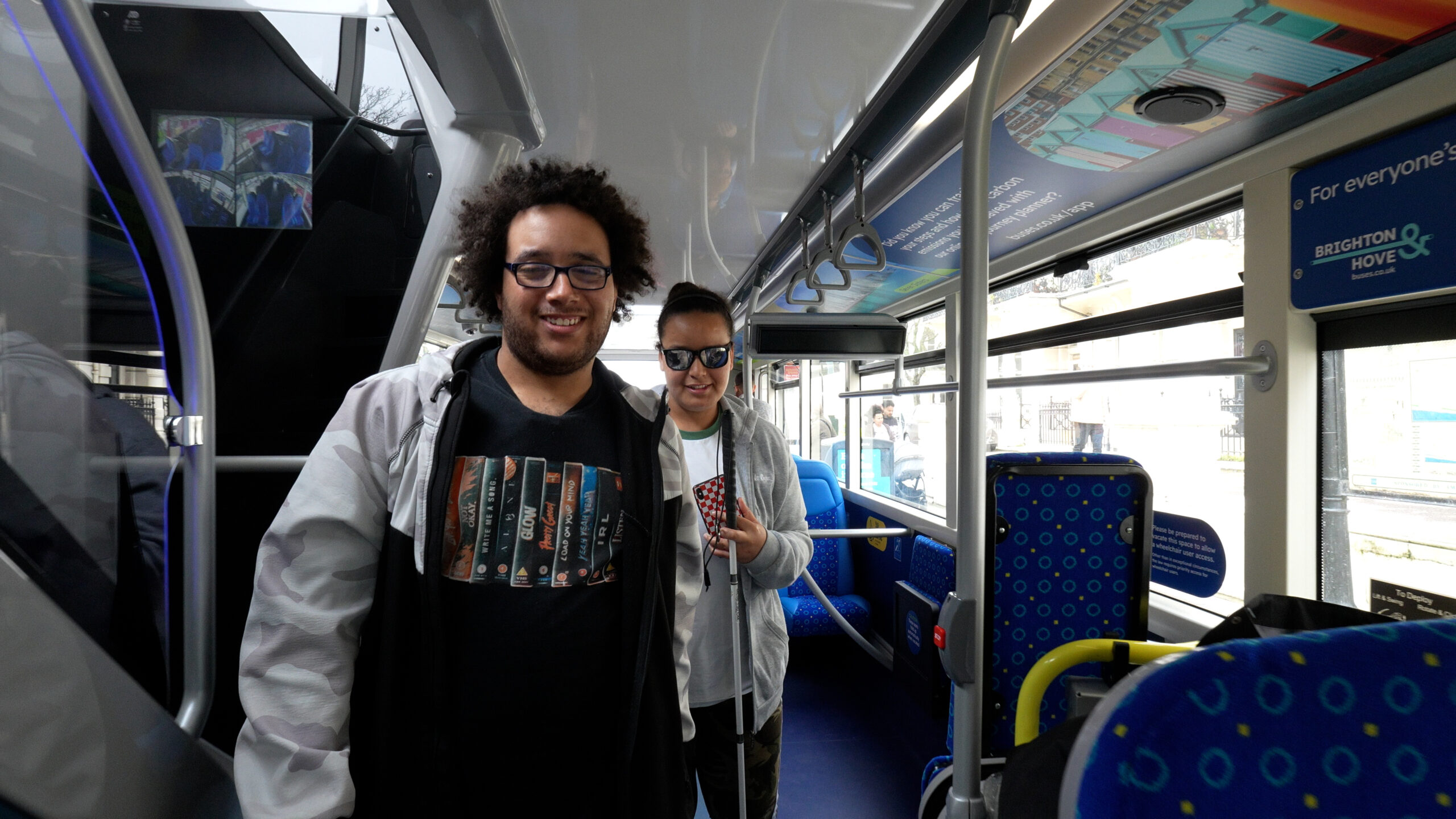
A TPT volunteer shares their lived experience to help shape training for highways and transport professionals
Course now available free of charge
The course is designed for highways engineers, transport planners, urban designers, project managers, consultants, local authority officers and anyone involved in shaping the built environment.
It covers the impact of vision impairment, relevant accessibility and disability legislation, common barriers to independent travel, and practical approaches to inclusive design. It also highlights the importance of involving blind and partially sighted people in the design process to ensure that infrastructure and services meet the needs of those who use them.
Making the course freely available represents a further step in CIHT and TPT’s shared commitment to improving accessibility across the UK. By combining professional training with the knowledge and lived experiences of blind and partially sighted people, the partnership aims to support meaningful improvements in how streets, public spaces and transport networks are planned, designed and delivered.
Professionals can access Designing Highways and Transportation for Blind and Partially Sighted People free of charge through CIHT Learn.
Join us
Passionate about making a difference? Want to influence positive change? Our Sight Loss Councils, led by blind and partially sighted volunteers, are recruiting new members. Join us today!
We use our lived experience to create positive change for others. Together, we tackle local issues and work with businesses and service providers to improve the accessibility of their services.
Join us to help ensure visually impaired people in your area can live the lives they want to lead.
Publication date: 11 November 2026